Day-to-day property administration
Coordinate routine operating work, records, tenant matters, vendors, and owner communication.
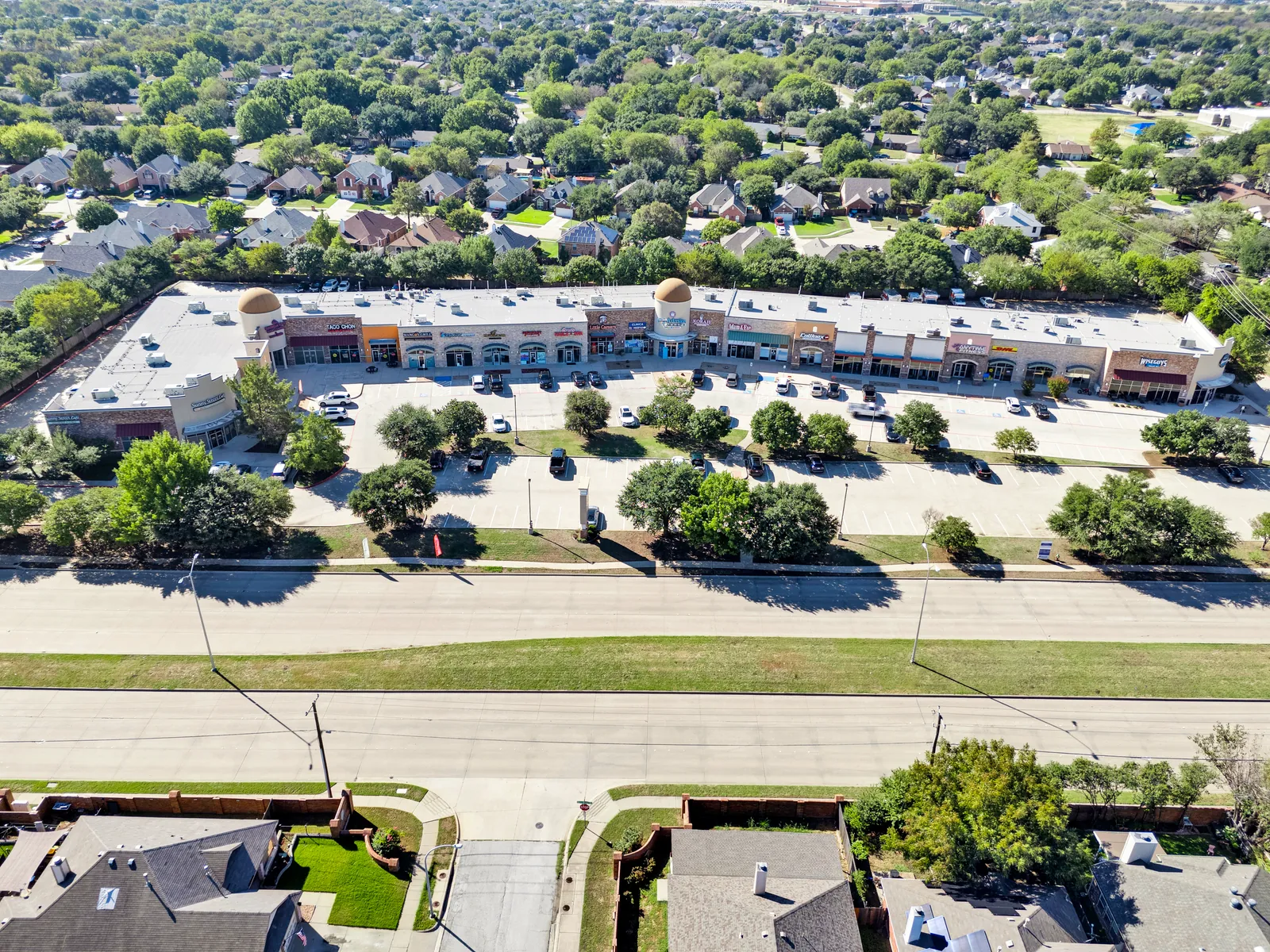
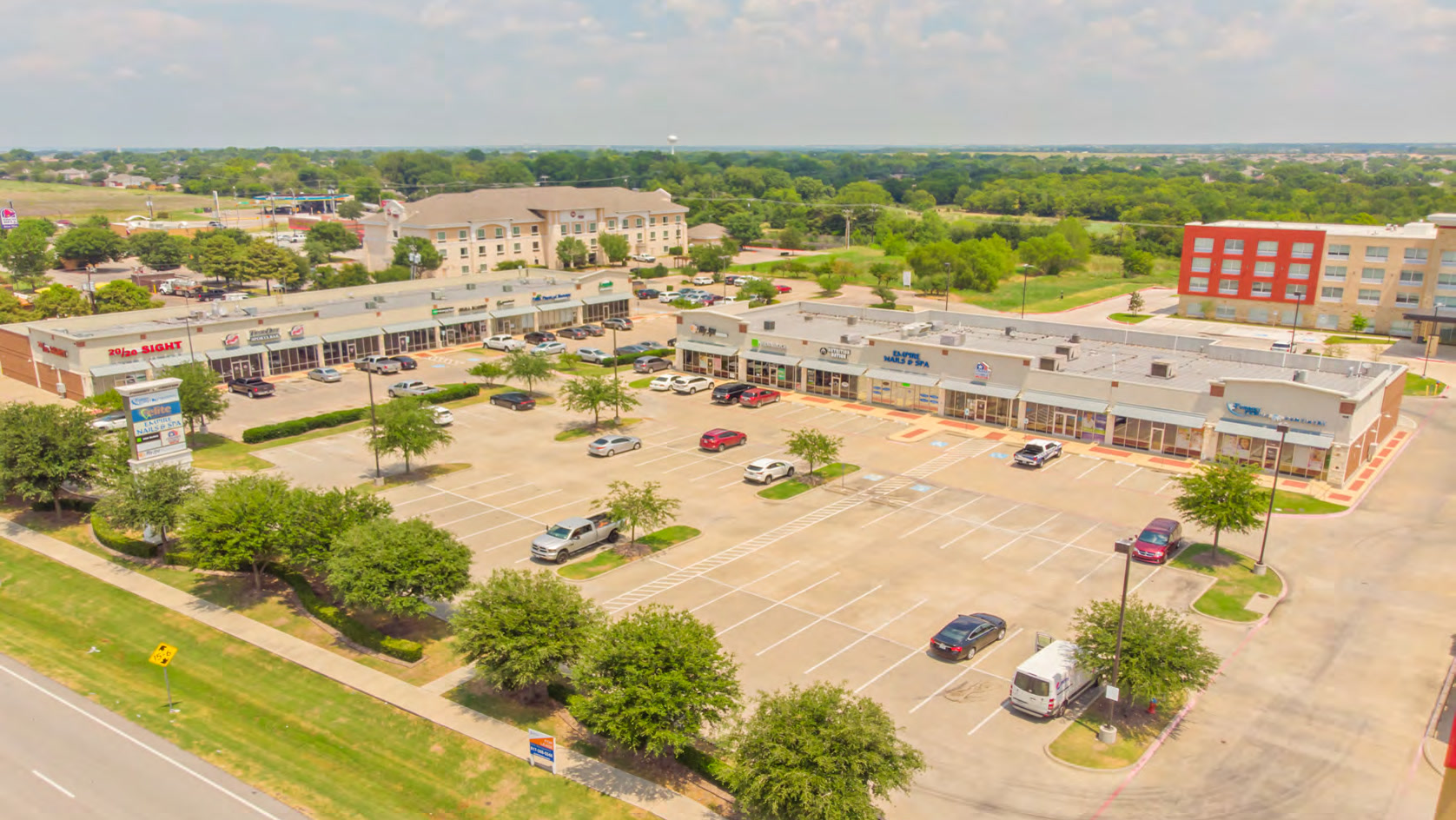
J & J Real Estate Management coordinates the daily operations, finances, tenant relationships, maintenance, and transitions of commercial properties.
Discuss Property ManagementThe recurring administrative and financial work that keeps property obligations visible and current.
Budgets, reporting, and decision records that keep ownership close to material property activity.
Direct tenant communication and coordinated care for the site, its systems, and its vendors.
Oversight for recurring cost, operating risk, specialist records, and approved property projects.
A disciplined record of the property and its open responsibilities before, during, and after a management handoff.
Keep communication clear, concerns visible, and follow-through connected to the long-term health of the property.
Bring disciplined attention to operating expenses, vendor decisions, maintenance priorities, and the tradeoffs behind each cost.
Create an organized view of the property, its records, open issues, and operating relationships when management responsibility changes.
Understand the property and ownership priorities.
Review leases, records, vendors, finances, tenants, and open issues.
Build the transition plan and assign responsibility.
Establish reporting, communication, approvals, and service cadence.
Continue operating review after the transition closes.